About Us

Mission

The Building Performance Partnership (BPP) Network supports the creation and operation of local high-performance building hubs that accelerate measurable, equitable, and sustainable action to improve the health, comfort, and performance of buildings.

6 Reasons Why Cities and Nonprofits are Developing Hubs

1

Better Buildings for All

Hubs ensure building owners and communities make healthier, more affordable, and more comfortable buildings

2

One-Stop-Shop

Hubs offer a centralized repository of resources for building solutions, financing, training, and tools

3

Compliance Support

Hubs provide support for building energy policies and programs by creating plain language resources and trainings

4

Trusted Experts

Hubs are independent, trusted third-parties for solutions, best practices, and policy compliance

5

Economic Opportunity

Hubs help grow demand for building improvements, and expand the diversity of the real estate workforce by matching opportunities with talent

6

Stakeholder Alignment

Hubs can align building owners, operators, service providers, utilities, and community members for durable change

The Building Performance Partnership was incredibly helpful for us when we first launched. Instead of creating all our resources from scratch, we built on what already existed in other communities with similar policies, which gave us the time to hire staff, and the capacity to build only those resources that didn't exist, and to focus on creating the local partnerships we rely on today.

The Building Energy Hub logo

Katie Kaluzny, Director, Building Energy Hub, Illinois

Who We Are

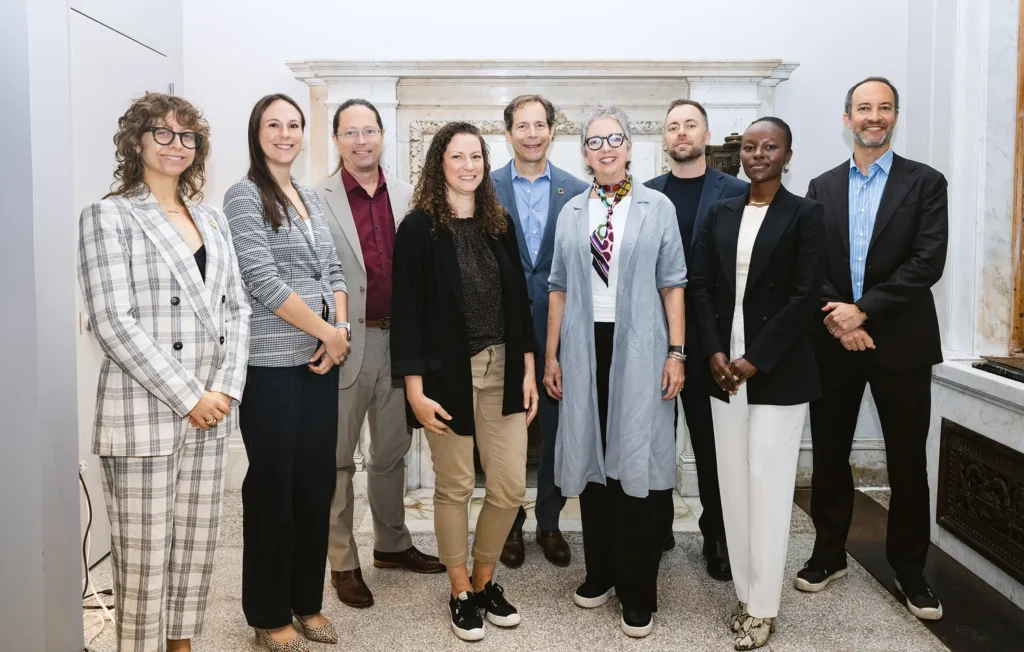
Group of 9 BPP participants posing for the camera

The Building Performance Partnership (BPP) Network was created by Building Energy Exchange (BE-Ex) and the Institute for Market Transformation (IMT) in 2021 to accelerate and scale building performance solutions.Through the BPP Network, IMT and BE-Ex support the creation and operation of local resource hubs that accelerate measurable, equitable, and sustainable action to improve the health, comfort, and performance of buildings.

With support from both BE-Ex and IMT, BPP Partner Hubs serve their respective regions by providing localized resources such as training, financing solutions, compliance support, and educational tools, that cater to the needs of their communities while benefitting from the existing resources and expertise of the BPP Network. This work improves resident quality of life, reduces costs, and drives steep reductions in greenhouse gas emissions.

Why Join

Through BPP, IMT and BE-Ex support the creation and operation of local resource hubs that accelerate measurable, equitable, and sustainable action to improve the health, comfort, and performance of buildings.
Market Analysis & Start Up Support
Our staff have years of experience conducting market research with governments, residents, and real estate professionals. We provide guidance on initial questions, outreach, and analysis, as well as business development and business plans.
BPP Network members have access to a variety of educational resources on energy efficiency and building performance that serve building owners and the real estate industry, many of which can be customized to meet local needs.
The BPP Network provides facilitated connection to peers doing similar work and facing relatable challenges through monthly meetings, educational sessions with subject matter experts, a Slack channel, and collaborative problem-solving and resource development opportunities.
BPP Network Administrators help identify and coordinate joint funding application opportunities, allowing individual BPP Partner Hubs to build more competitive responses to RFPs and philanthropic opportunities. BPP also provides national exposure for network activities such as partnered events, and conference presentations.

Recognition

The Building Innovation Hub, operated by IMT, and BE-Ex, are both members of the Global Alliance for Buildings and Construction (GlobalABC). This alliance consists of organizations from 38 countries that are working towards high-performance buildings. Founded at COP21, the GlobalABC is a leading global platform for governments, private sector, civil society, research, and intergovernmental organizations committed to a common vision: A zero-emission, efficient and resilient buildings and construction sector.

A man and a woman in suits at a small table, signing papers
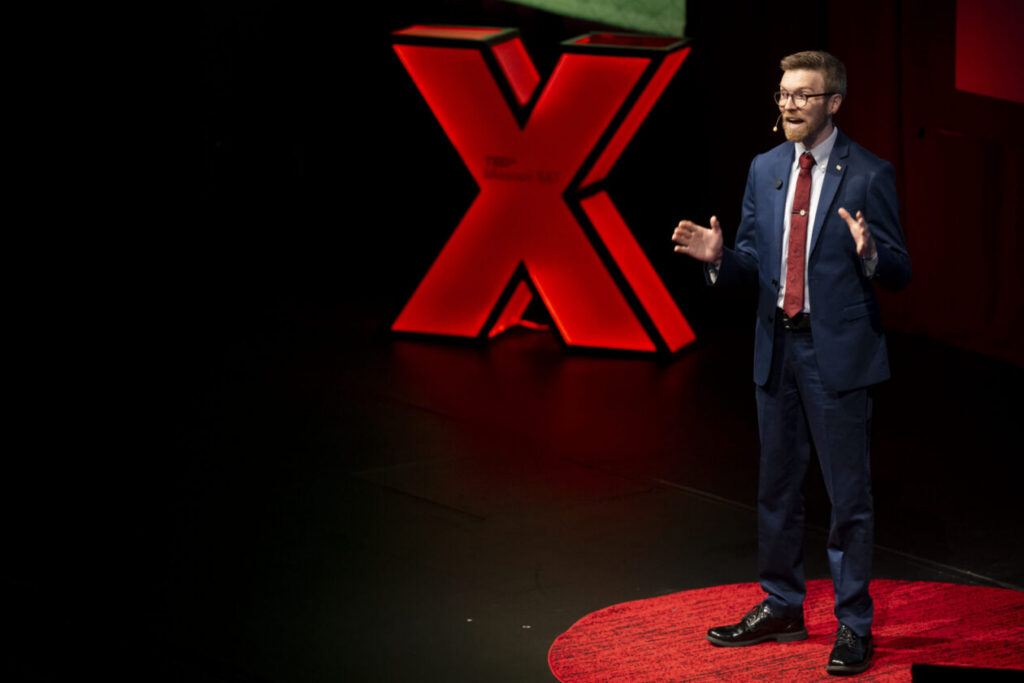
Malachi Rein on Ted Talk stage with a red illuminated X in the background
Malachi Rein speaks during the TEDxMissouri S&T 2024 event. Photo by Blaine Falkena/Missouri S&T

Building performance touches everything: health, affordability, climate, and the daily experience of the spaces we inhabit. This TED Talk, given by Malachi Rein, Hub Director at BE-Ex STL, serves as a big-picture introduction to the field, contextualizing codes, standards, and efficiency as tools that protect people and strengthen communities. It’s an invitation to explore the many pathways, partners, and solutions that make high-performance buildings possible.

6 Reasons Why Cities and Nonprofits are Developing Hubs

1

Better Buildings for All

Hubs ensure building owners and communities make healthier, more affordable, and more comfortable buildings

2

One-Stop-Shop

Hubs offer a centralized repository of resources for building solutions, financing, training, and tools

3

Compliance Support

Hubs provide support for building energy policies and programs by creating plain language resources and trainings

4

Trusted Experts

Hubs are independent, trusted third-parties for solutions, best practices, and policy compliance

5

Economic Opportunity

Hubs help grow demand for building improvements, and expand the diversity of the real estate workforce by matching opportunities with talent

6

Stakeholder Alignment

Hubs can align building owners, operators, service providers, utilities, and community members for durable change
Scroll to Top

Download our Guidance Document

Fill out the form below to get access to the PDF.

Name